

Our Beliefs
The Triune God

We believe in the One God who exists eternally in three distinct persons—Father, Son, and Holy Spirit. Our God the Creator, Sustainer, and Redeemer of the universe is revealed through Scripture to be one. We do not divide the Godhead into roles but acknowledge that all of God is at work presently in the dynamic dance of creation, salvation, and reconciliation.
-
We believe in one God, who created the world and all that is in it. God is sovereign and the ruler of the universe. God is without gender, neither male or female. Scripture describes God as both Mother and Father—a loving parent unlike any other.
-
We believe that Jesus was fully God and fully human. He lived, died, and rose again. We believe that Jesus is our Savior. In Christ we receive new life, the forgiveness of sins, and are invited to participate in God’s reconciling work. We are called to pattern our lives after his.
-
We believe that the Holy Spirit was with God eternally and is God with us. We believe that the Holy Spirit comforts us when we are in need, convicts us when we stray, and prays on our behalf. We believe that the Holy Spirit awakens us to God’s will and empowers us to live obediently.
God’s Reconciling Grace
By grace, we mean the underserved, unmerited, and loving action of God in creation. The goal of salvation is not merely to “make it” into heaven. Rather, Methodists emphasize salvation as having the image of God restored to our lives. Our goal is not so much a destination as it is a life of receiving God’s wholeness, healing, and peace for our mind, bodies, souls, and spirits.

-
We believe that God created all of humanity in God’s image. It was God’s will to be in a genuine and loving relationship with the world. Within God’s creation, humanity occupies a special place in distinction to other creatures around us. Human beings dwell in covenant with God and have the special responsibility to be stewards of and care for the earth.
-
God did not desire to manipulate, coerce, or force creation into relationship with God’s self. This relationship necessitated the free human ability to choose. We often do not do the good we want to do, and persist in the evil we do not want to do. While we are made in God’s image, all have sinned and fallen short of the glory of God. We believe that sin, individual and structural, separates us from God.
-
The grace of God is undivided, it precedes salvation as “prevenient grace,” continues in “justifying grace,” and is brought to fruition in “sanctifying grace.” In spite of suffering violence, and evil, we assert that God’s grace is present everywhere.
-
This is the grace of God active in our lives before we have any conscious awareness of it. Prevenient grace describes a God that enables us to respond and cooperate in God’s saving work. This movement of grace convicts us so that we might recognize our separation from God and desire to be restored to wholeness. Our response is enabled and empowered by prevenient grace.
-
Justifying grace is the reconciliation of our relationship with God and the beginning of the restoration of the image of God in us. God acts in the grace of Jesus Christ through the power of Spirit to make us one with God again by faith.
-
Methodists believe the Christian life is not just an ideal that we adopt, but a process and reality that we live into. By sanctifying grace, the gap between imputed righteousness and our actual practice is gradually decreased. Sanctifying grace is the continued work of Christ and the Holy Spirit to increase holiness and love in our hearts.

The Wesleyan Quadrilateral
United Methodist beliefs are grounded in Scripture, informed by Christian Tradition, enlivened by personal experience, and tested by reason.
The Ministry of the Church
United Methodists participate in the life of the church because it is a blessed gift from God. The proclamation of the Word, the correct institution of the sacraments, confession, forgiveness of sins, and the communion of the saints preserve, awaken, and sanctify our hearts. It is in community that we recognize the story of God in the Scriptures are our own stories and where we recognize God’s voice in hymns of praise.

-
The church is centered around our worship of Jesus the Christ. As a community, our worship of God informs our lives and practice. It is in worship that we are given the courage to endure, to prophetically proclaim God’s gospel, and to remain steadfast in our relationships with God and one another. The church is the place where people are given eyes to see God’s grace that has gone before, the ears to hear the gospel message, the hearts to confess and repent, the hands to be God’s ambassadors of reconciliation in the world, and the embodiment of God’s holiness and Kingdom on earth even as it is in heaven.
-
We believe there are two sacraments, ordained by Christ as symbols and pledges of God’s love for us–Baptism and Communion. For Methodist’s, sacraments are more than mere symbols. They were not created as something to gawk at or gaze upon but are to be carried out and experienced. They are a reminder that our faith is a lived reality rather than an intellectual assent. The sacraments are not a badge or token of Christian supremacy, but the certain and confirmed signs of grace in our lives.
-
We believe that the church is “the communion of saints,” a community made up of all past, present and future disciples of Christ. We believe that the church is called to worship God and to support those who participate in its life as they grow in faith.
-
With other Christians, we declare the essential oneness of the Church in Christ Jesus. Our unity with other Christian communities is affirmed in the historic creeds as we confess one holy, catholic (universal), and apostolic Church. We are initiated into this community of faith by Baptism and through the celebration of Holy Communion.
-
John Wesley, the founder of the Methodist movement, said there was no religion except for social religion. In his name and in his spirit, the United Methodist church reaches out to establish peace and justice in our world. We are called to works of mercy and works of piety.
The Bible is God’s Word.
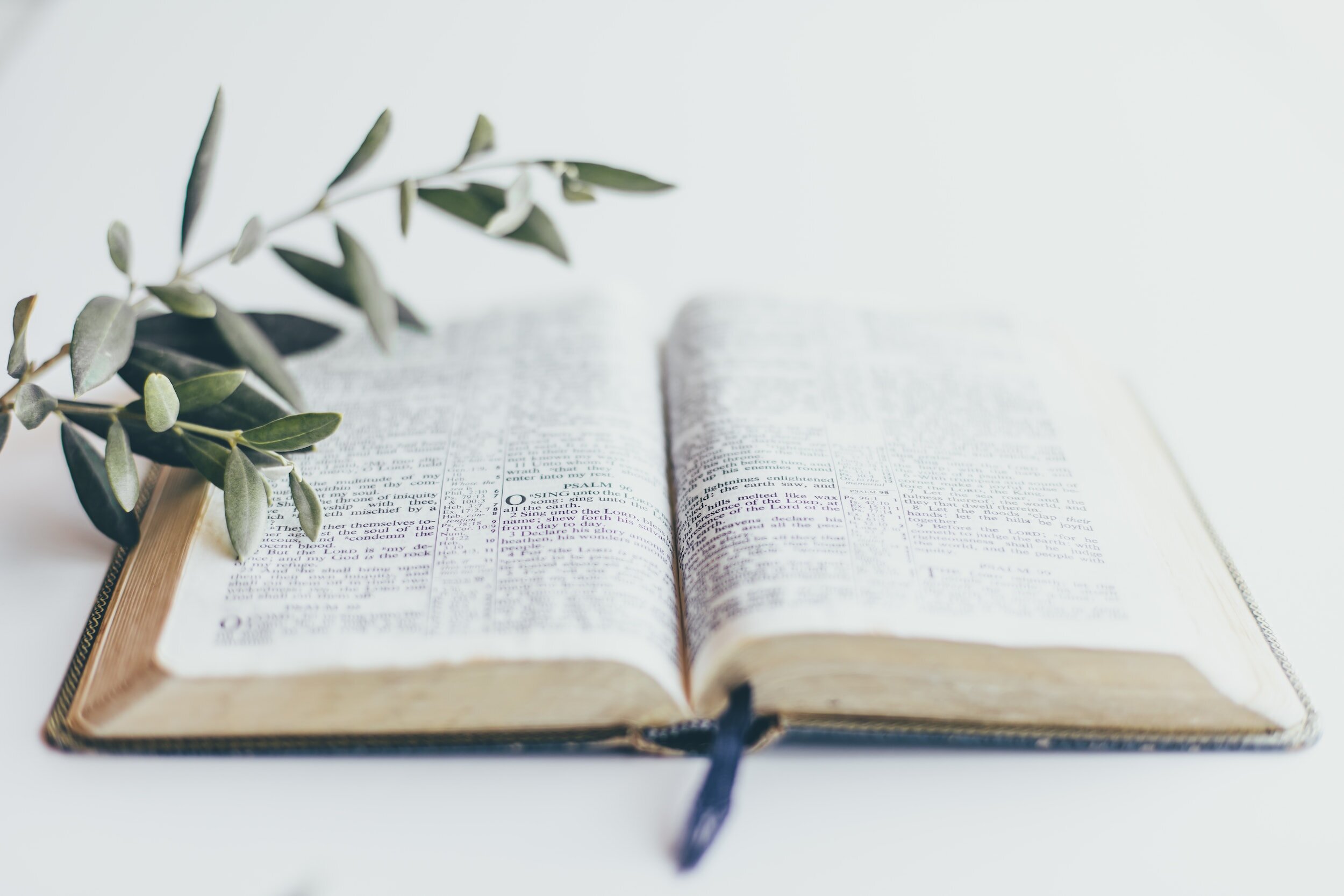
We believe that the Bible is the primary authority for our faith and practice. Through Scripture, we encounter the Word of God through the power of the Holy Spirit.